I turn messy client discovery into fully approved project scopes.
In 20+ years across hundreds of projects, I’ve run the agency quoting the work, led the teams building it, and sat in the founder’s seat paying for it. I’ve seen many times how vague discovery ruins your profitability before coding even begins.
I use that experience to handle your scoping and protect your margins. I run client discovery and secure buy-in upfront, so your team only estimates a scope the client has already approved.
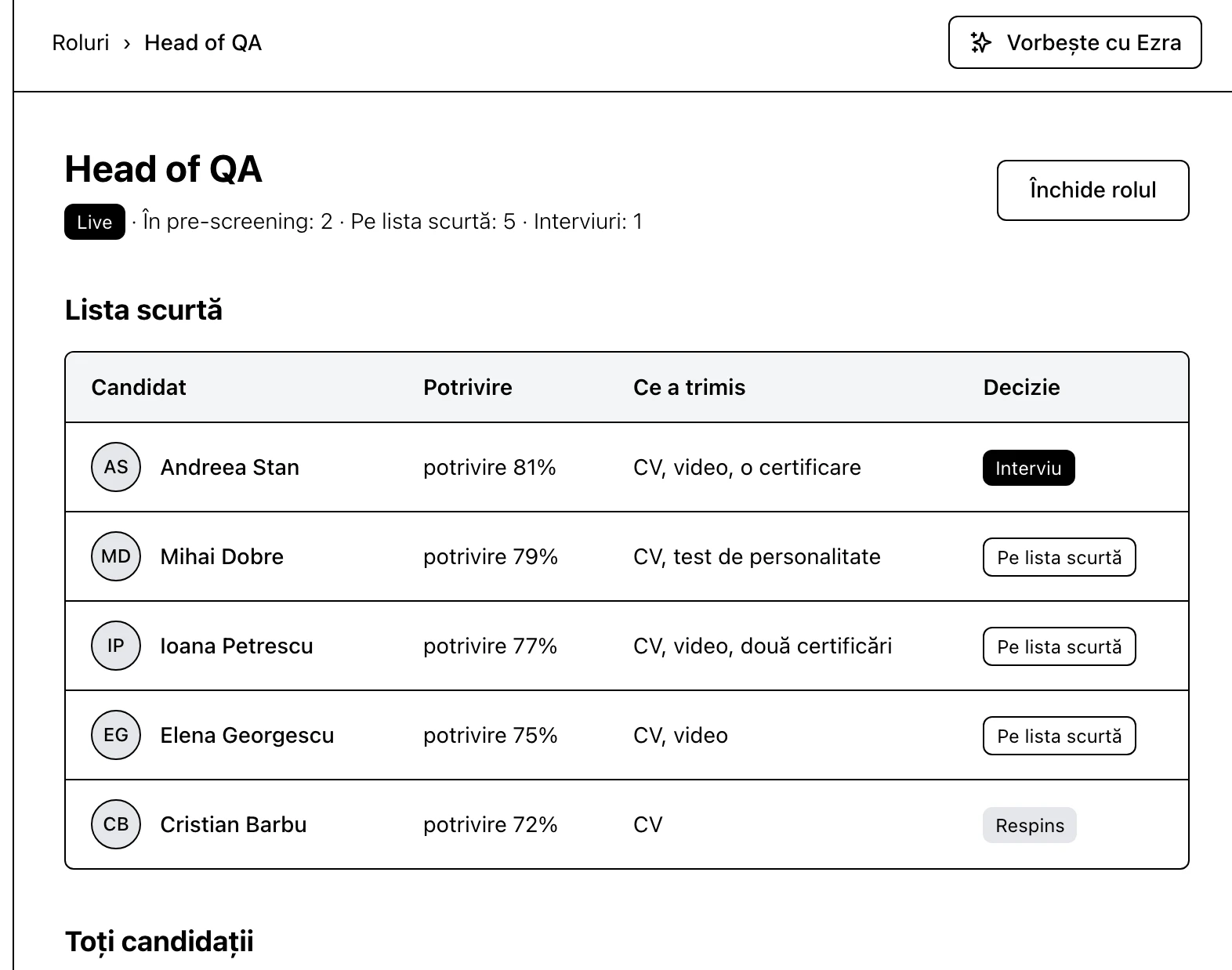
Most estimates are doomed during discovery:
- You start with a brief patched together from call recordings and emails, leaving developers to guess and price completely different products.
- Clients sign off on a text-heavy spec they didn’t really read, only to change their minds when the actual design starts.
- Hidden landmines (an unmapped integration, a forgotten business rule) blow up halfway through the build.
- Running this process drains your senior team’s time, eating into hours that should be spent on billable work.
I step in to neutralize these risks before any estimate. I secure client approval layer by layer, handing your team a clickable, visual blueprint they can price with confidence.
What I hand your team:
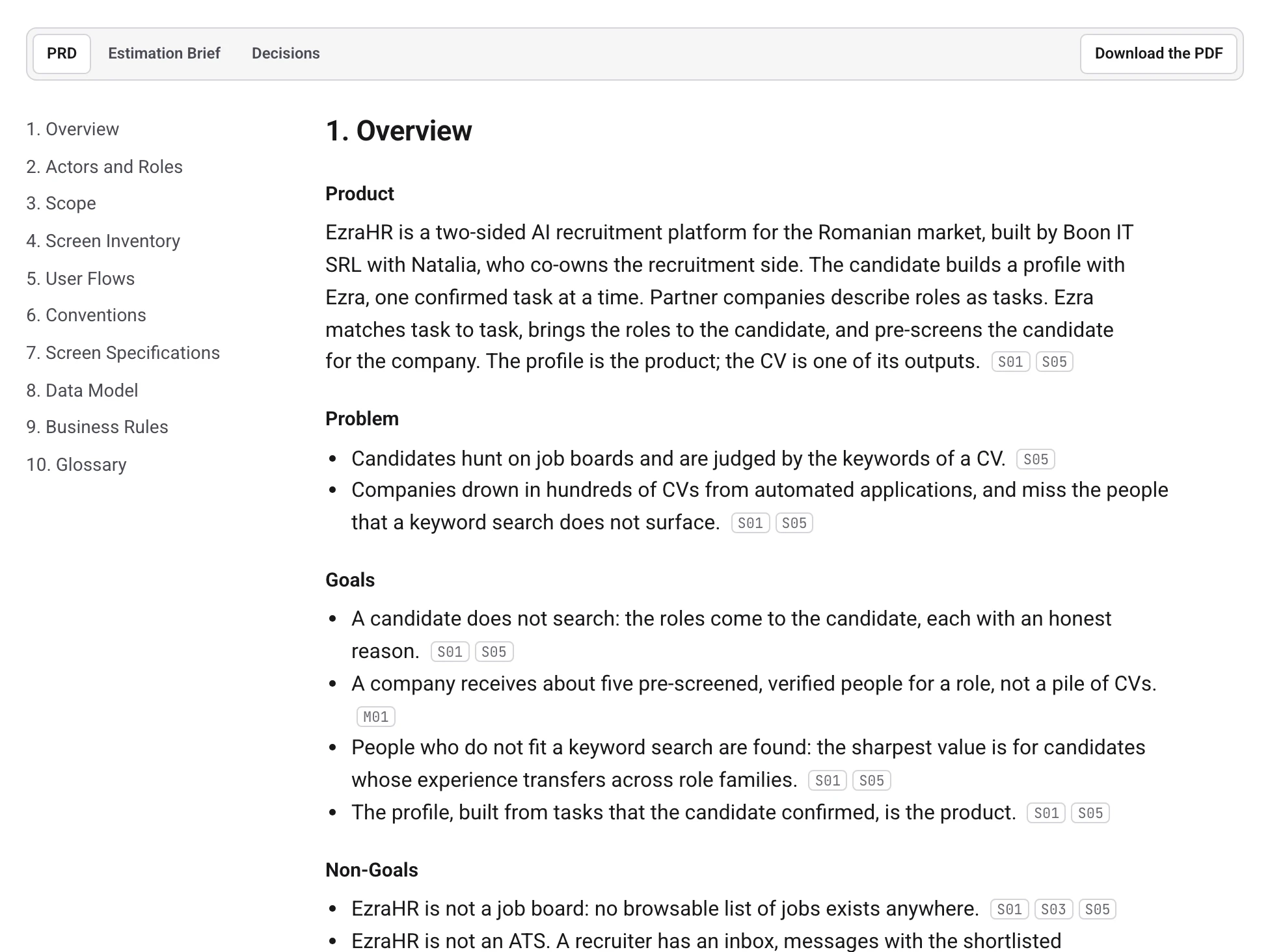
- Product Requirements Document
A stack-agnostic breakdown of the core product, user roles, v1 boundaries, data models, and business rules. - Screen Map
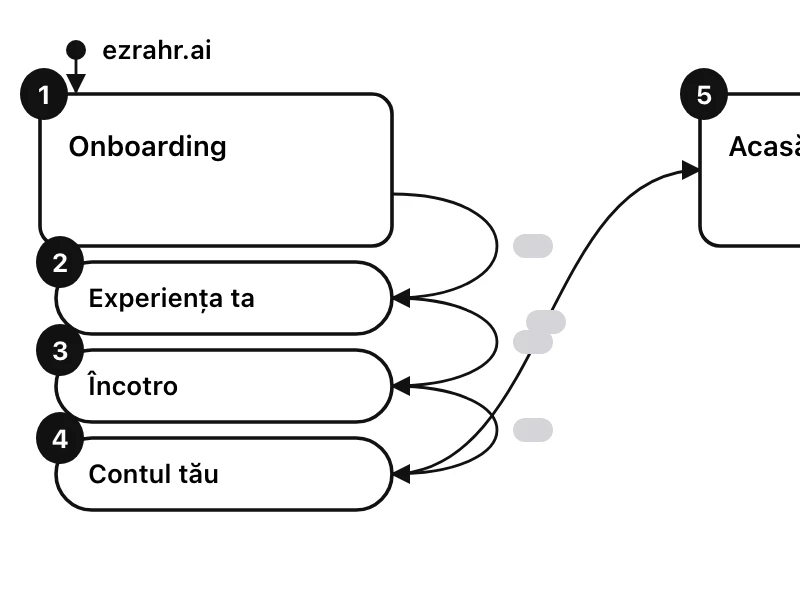
A complete architectural view mapping out every screen, user type, and navigational path. - Content Wireframes
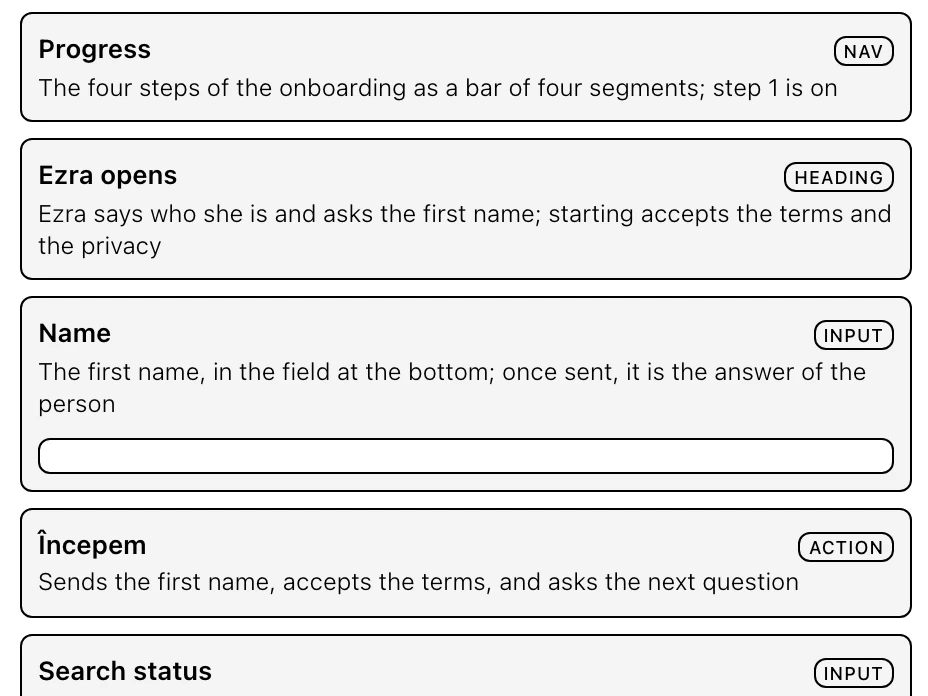
Every screen detailed with final copy, realistic sample data, all edge-case states, and product emails. - Click-Through Prototype
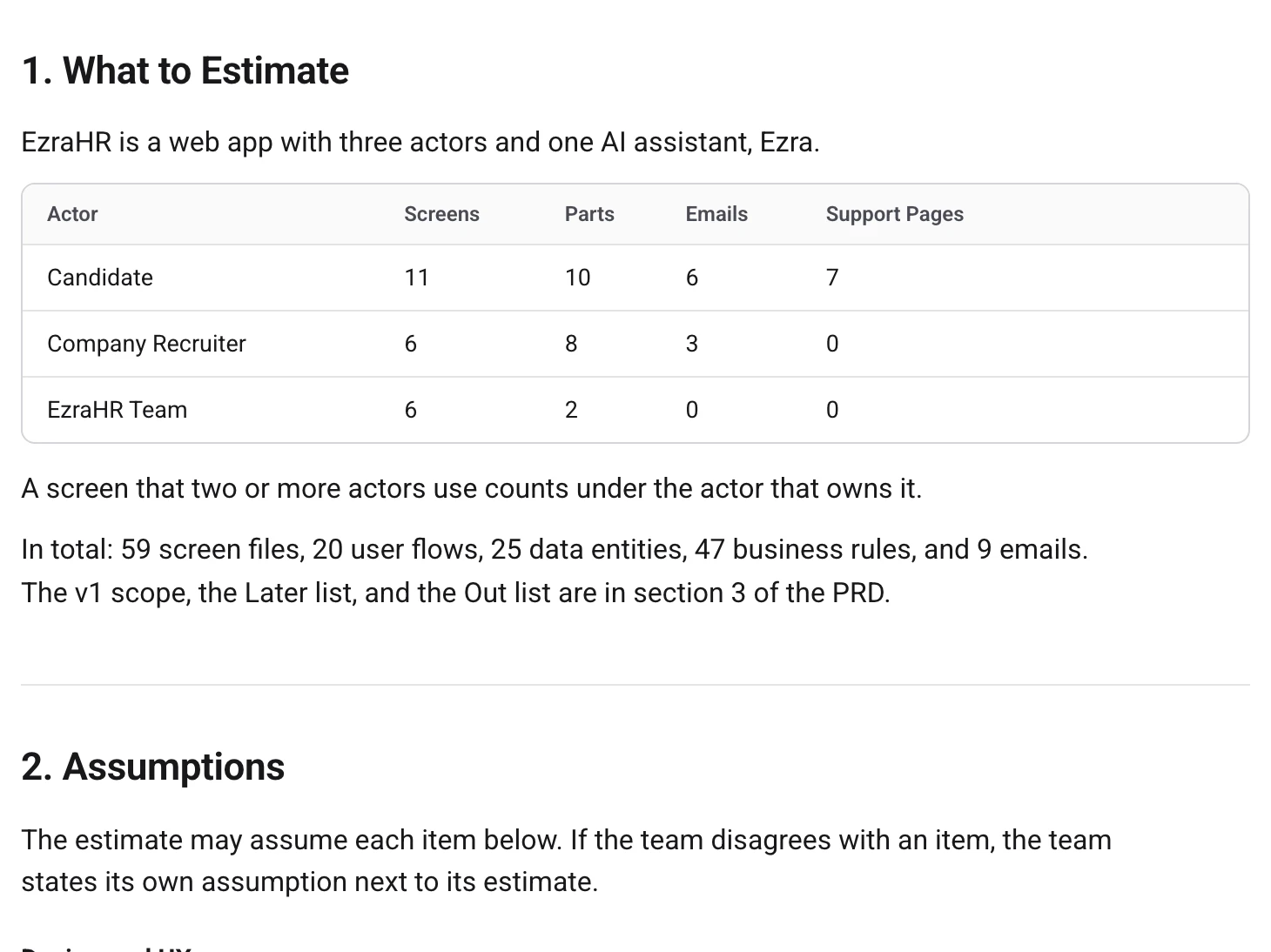
A linked visual model so anyone can click through the exact flows from the user’s perspective. - Estimation Brief
The exact parameters your team needs to price the build, including counts, assumptions, epics, integrations, and strict exclusions. - A Record of Every Decision
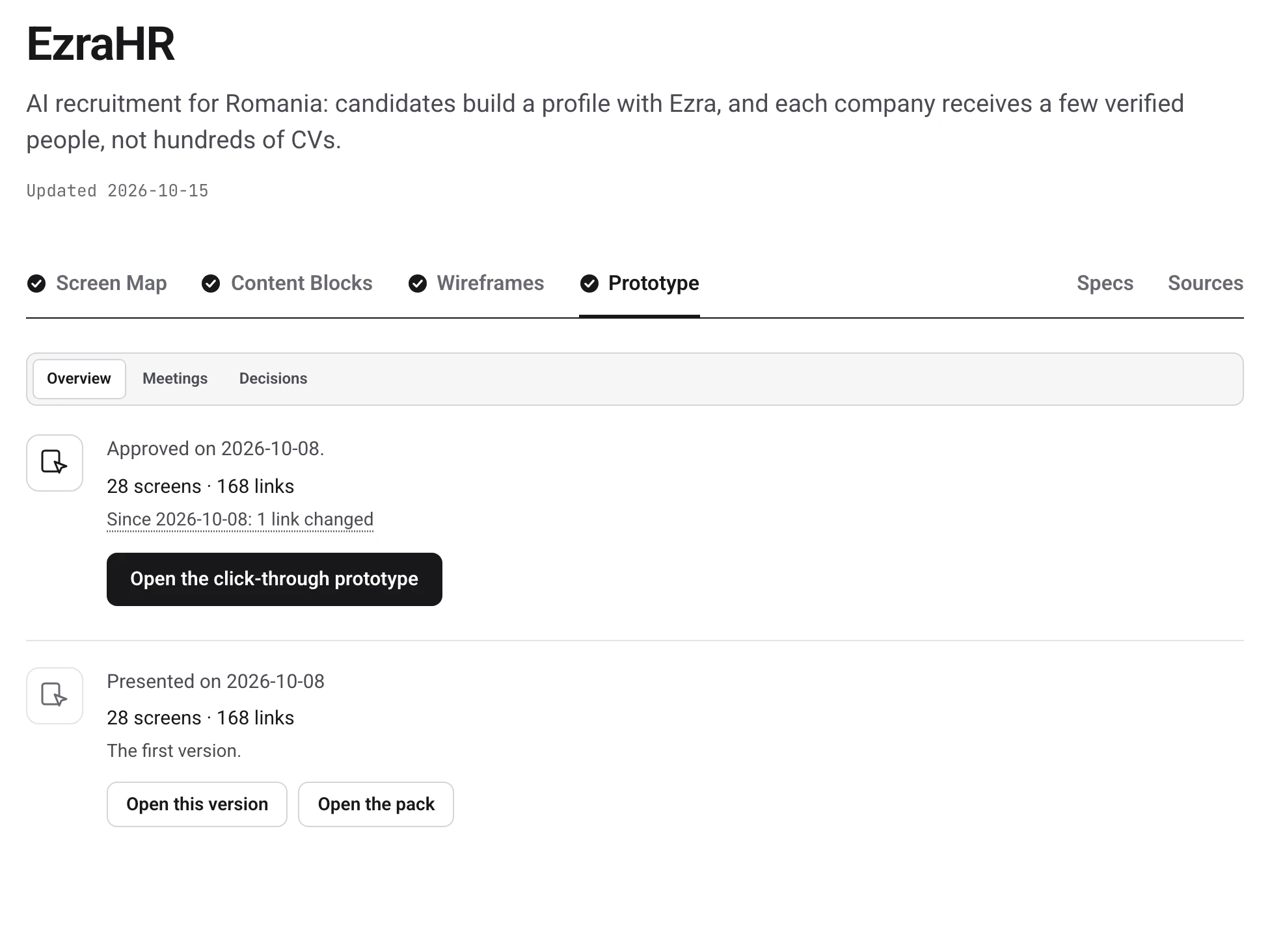
One centralized project page documenting the sources, the meetings, and a clear log of every client approval.
Armed with these deliverables, your team can finally estimate the project properly. The scope, copy, and logic are already locked in and approved by the client, so your team can price the work accurately and get right back to their billable hours.
How delivery works:
An initial call followed by four phases. Each phase is fully approved before the next one starts. From the kickoff to the final handover takes 4 to 5 weeks, assuming the client approves each phase during its review meeting.
Day 1
Initial Call
What do we have, and what is missing?
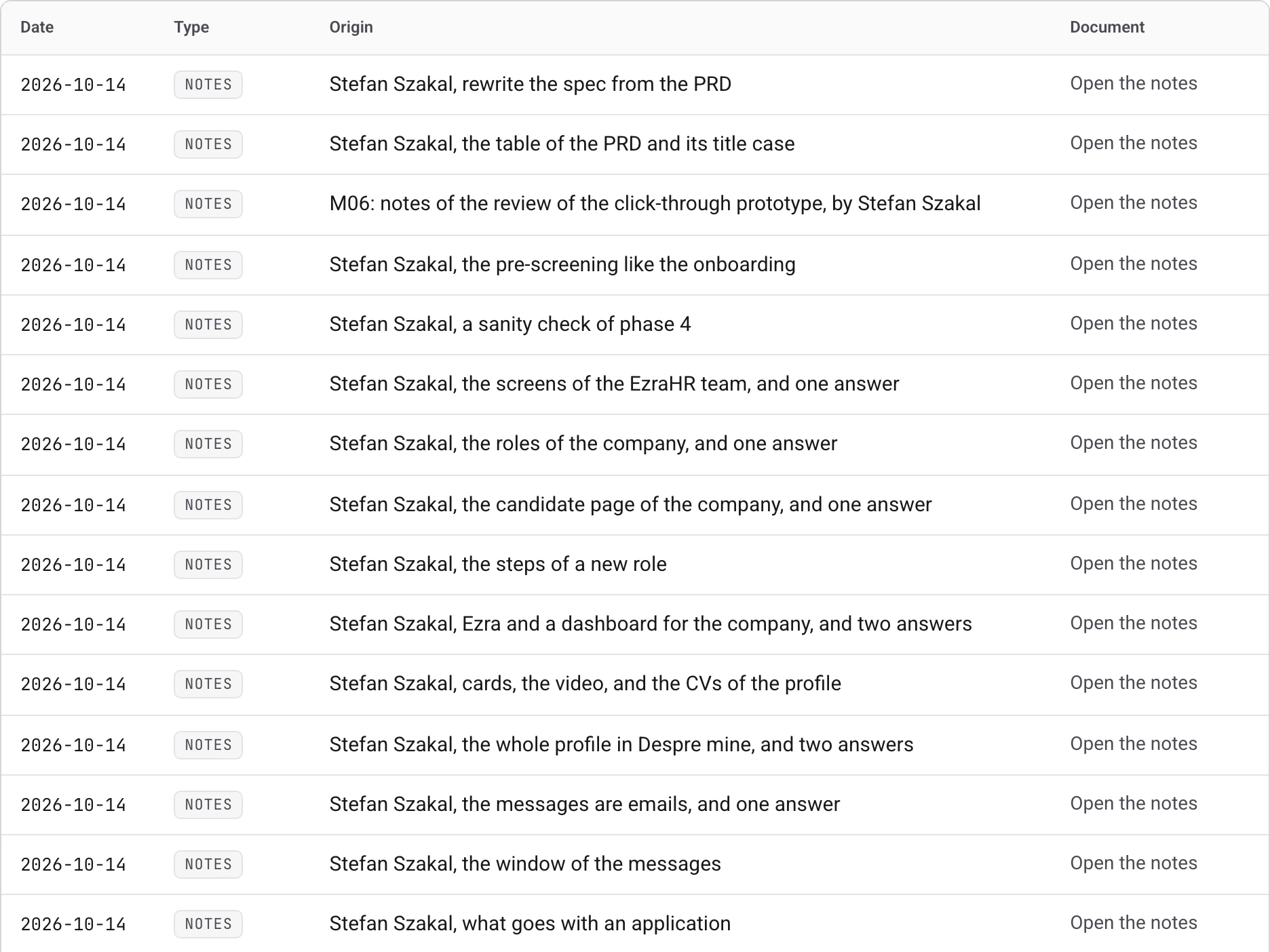
I consolidate all your client’s notes, recordings, and decks, logging every source on a shared project page you can access anytime.
In the meeting
I point out exactly what is missing and we lock in the schedule for the phase meetings.
Handover
A unified project page with all source materials in one place.
Week 1
Phase 1: Screen Map
Is this the entire product?
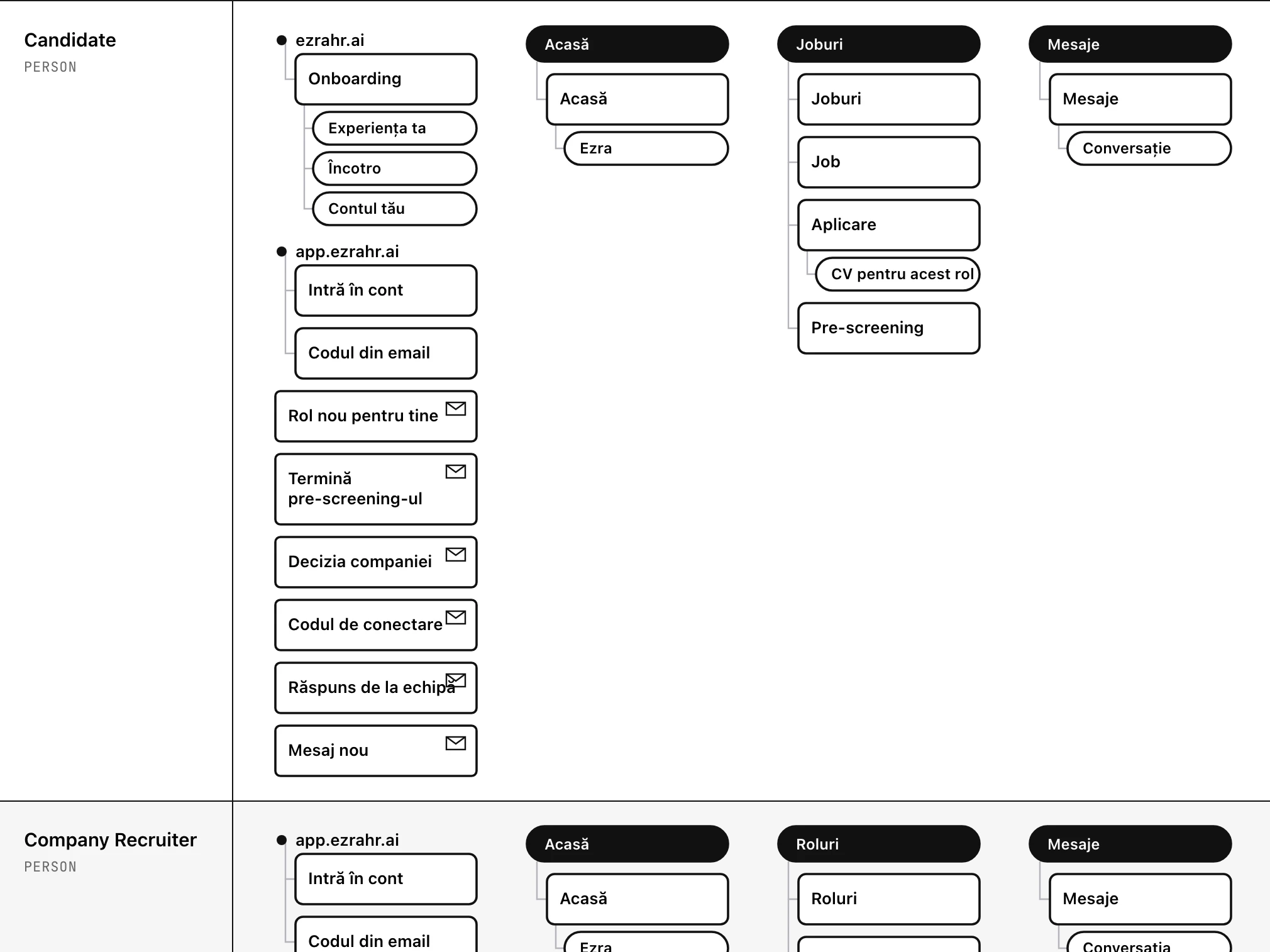
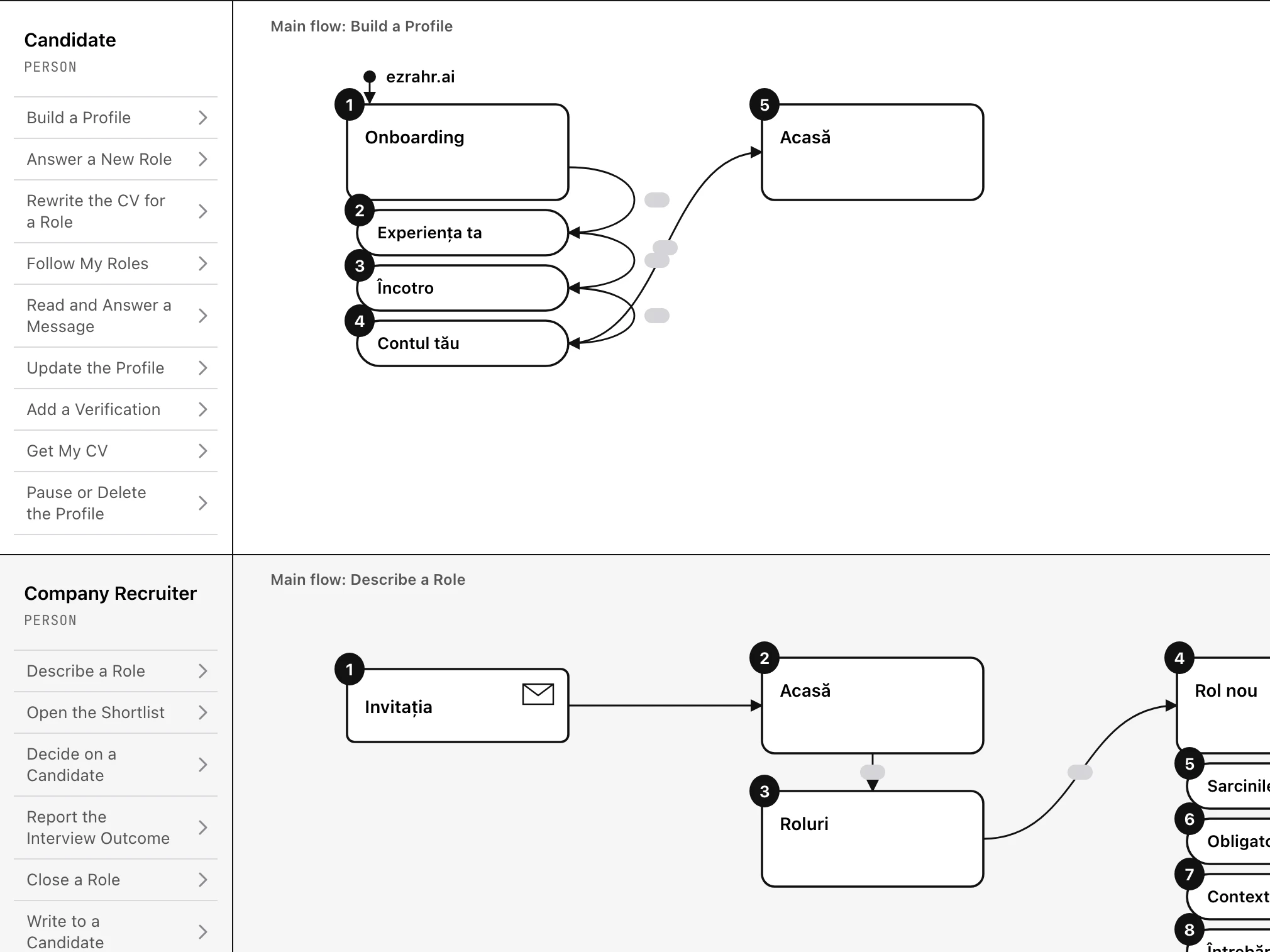
I clarify any initial gaps with your client, then map the entire product. This creates a clear sitemap for each user type and maps the navigational flows between screens.
In the meeting
Your client verifies that every screen is accounted for. Missing screens become obvious gaps on the map, and your client decides whether each part of the product is in v1 or pushed to a later phase.
Handover
The complete screen map, the screen list, and the first sections of the Requirements Document.
Week 2
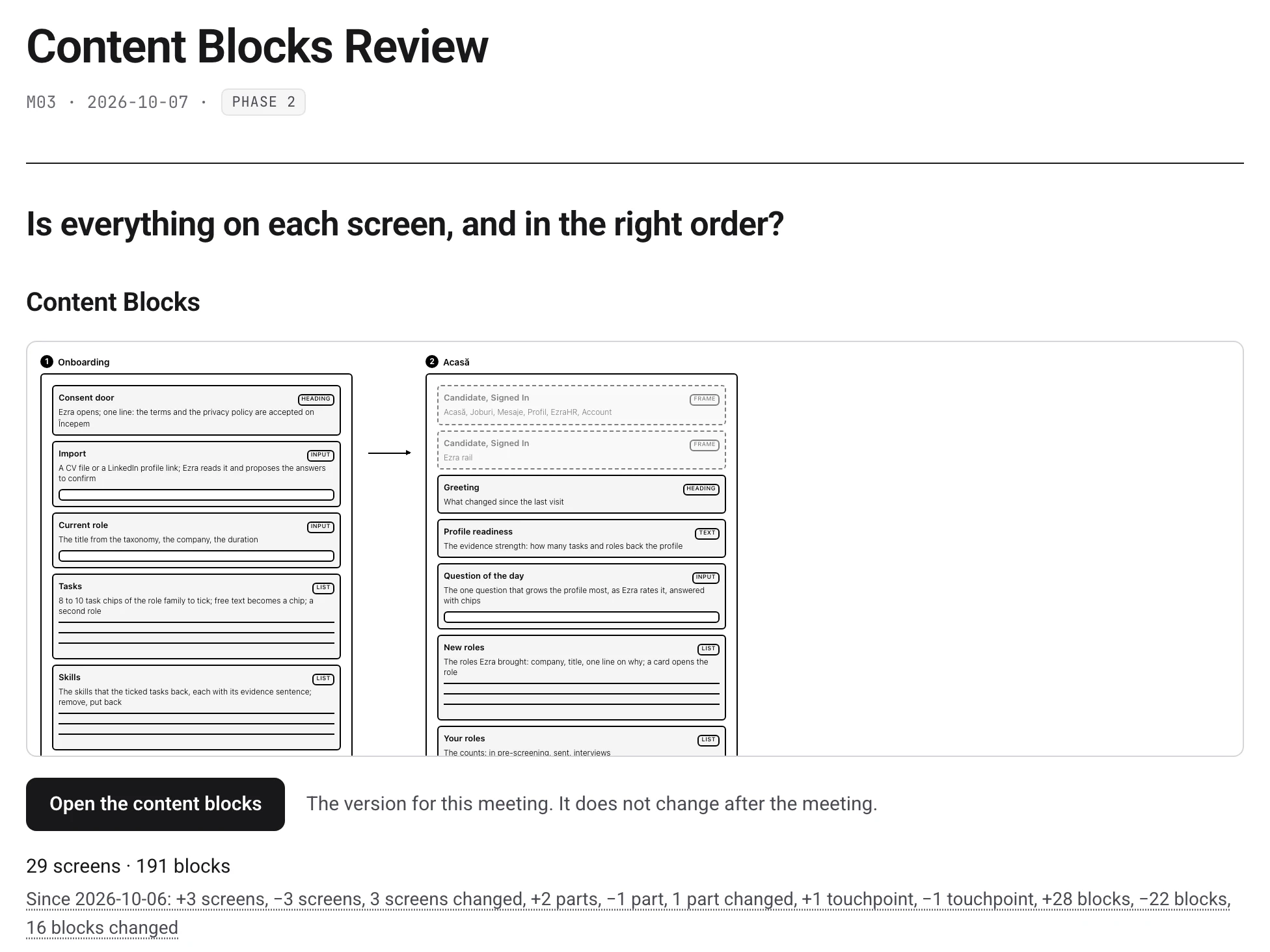
Phase 2: Content Blocks
Is the right content on each screen, in the right order?
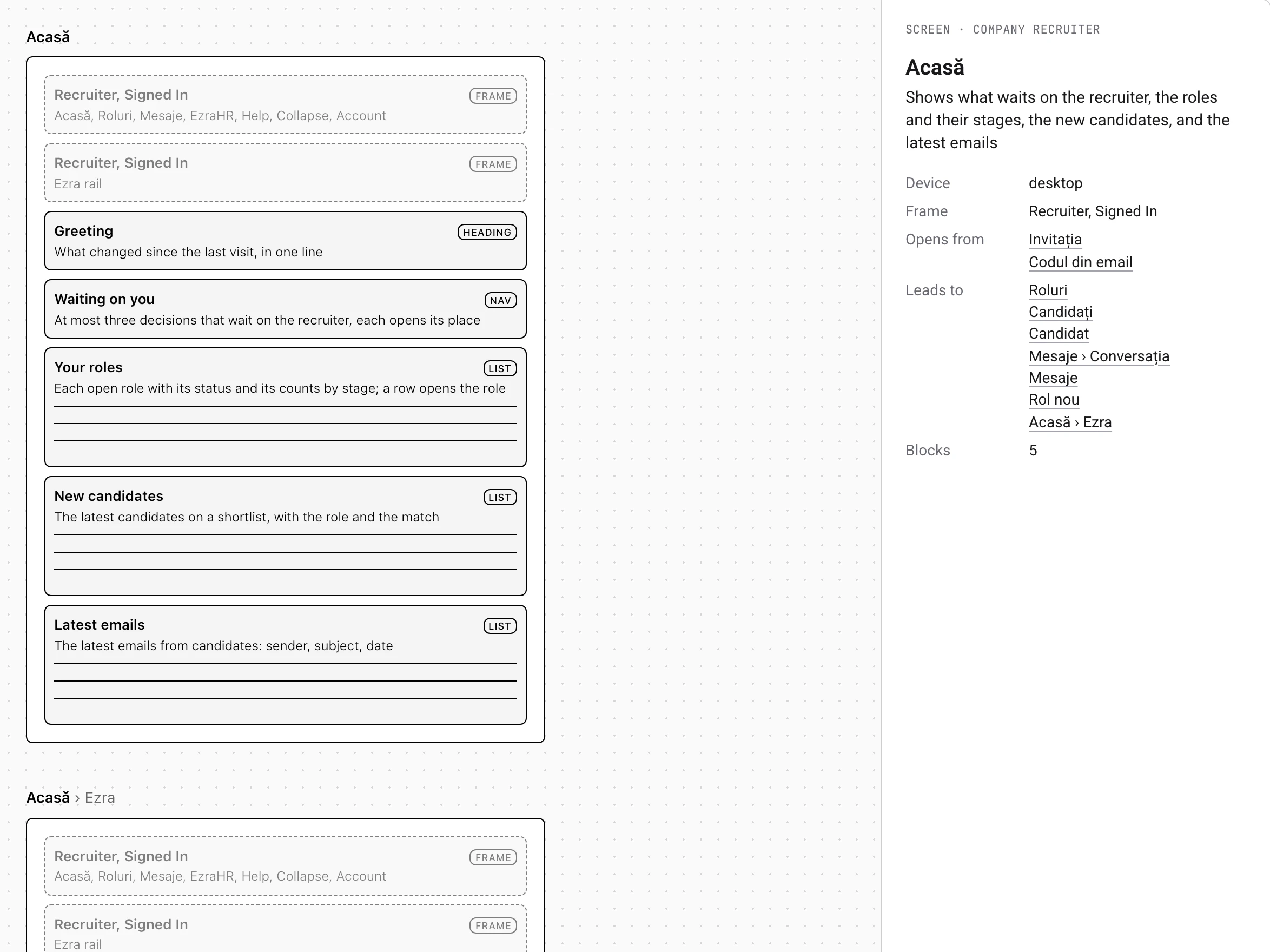
Each screen becomes a prioritized stack of blocks for mobile and desktop. Every block gets a clear name and purpose, outlining the hierarchy before design begins.
In the meeting
Your client agrees on the hierarchy and contents of every screen before visual design or copywriting ever begins. This locked order becomes the structural blueprint your designers will use.
Handover
The content blocks for every screen and global repeating elements.
Week 3
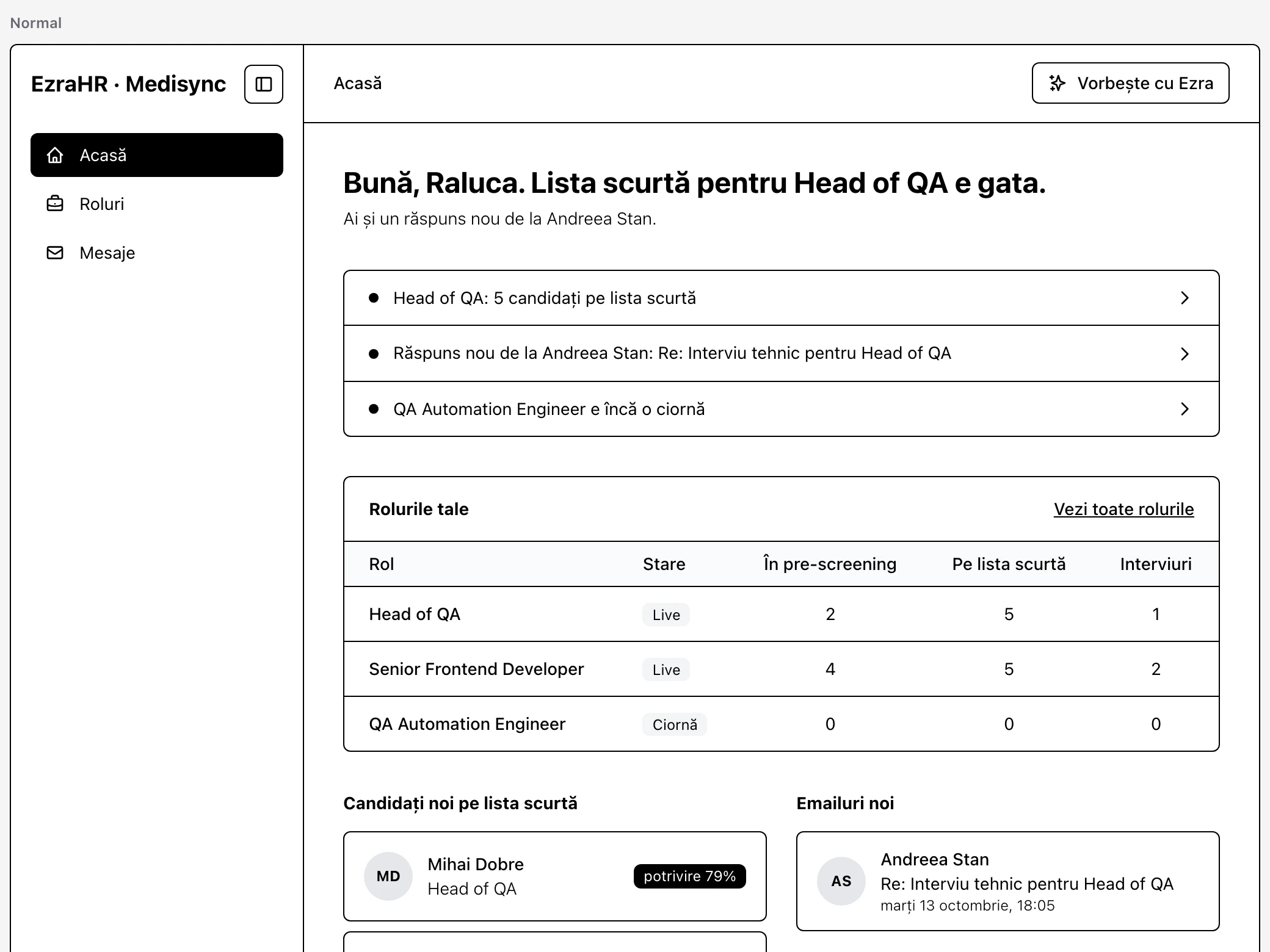
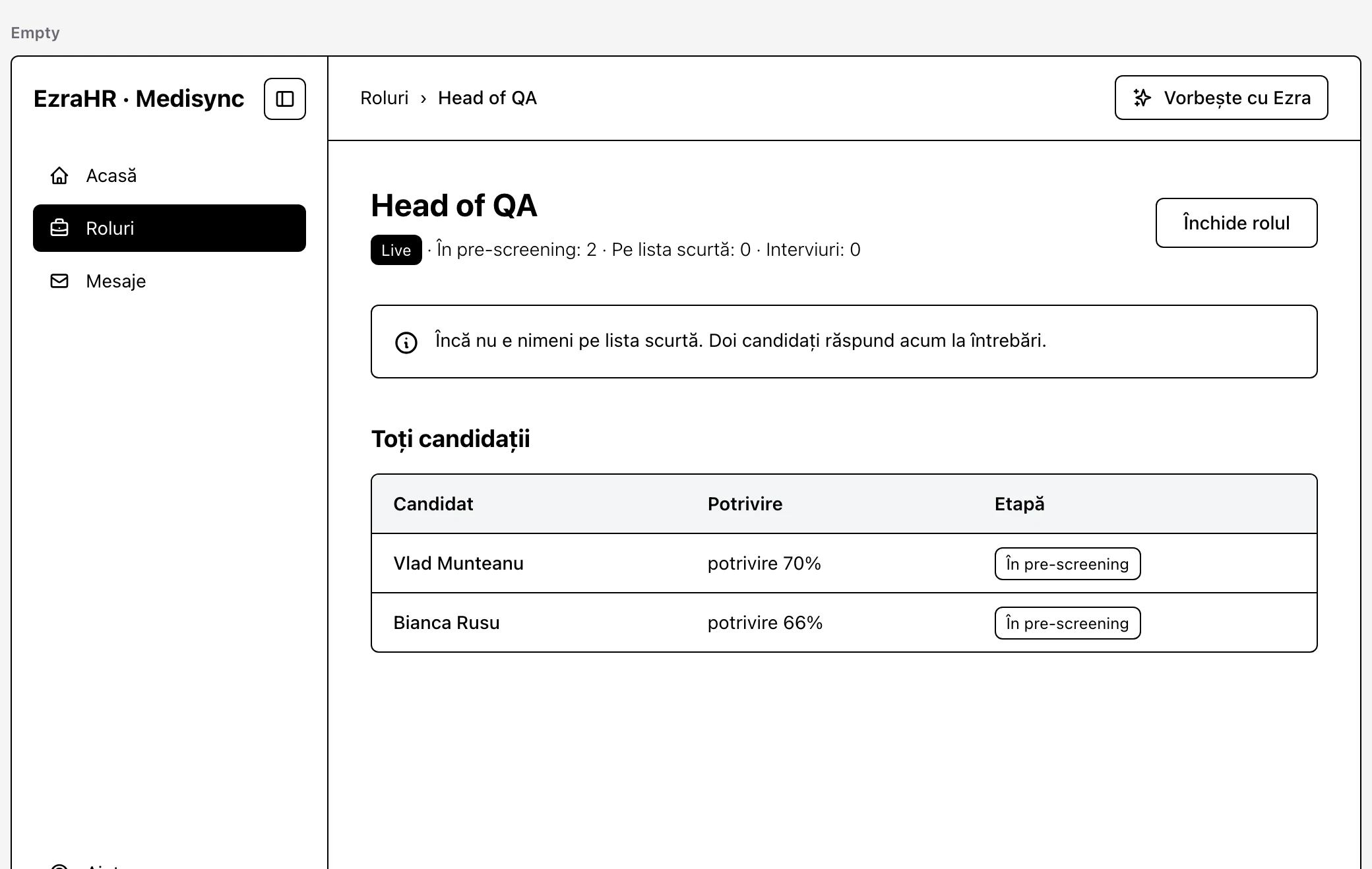
Phase 3: Content Wireframes
Does every screen use the right language and real data across every state?
The blocks are filled with final copy and realistic sample data. I also design the empty, error, and edge states so your developers never have to guess what happens.
In the meeting
Your client reads the actual words on every screen and corrects anything that conflicts with their business logic.
Handover
Wireframes for every screen and automated email, plus the data model in the Requirements Document.
Week 4
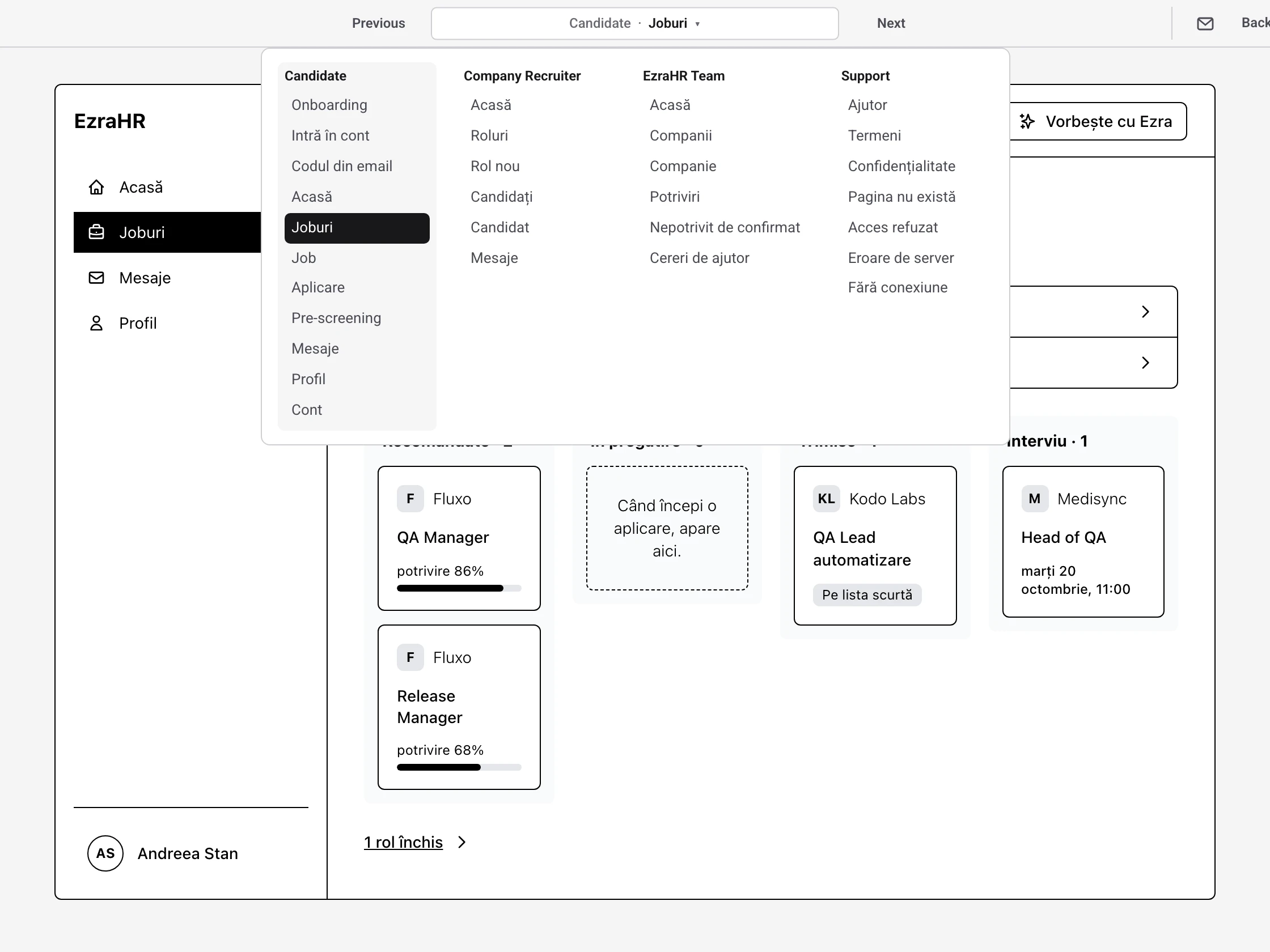
Phase 4: Click-Through Prototype
Can users actually accomplish their goals?
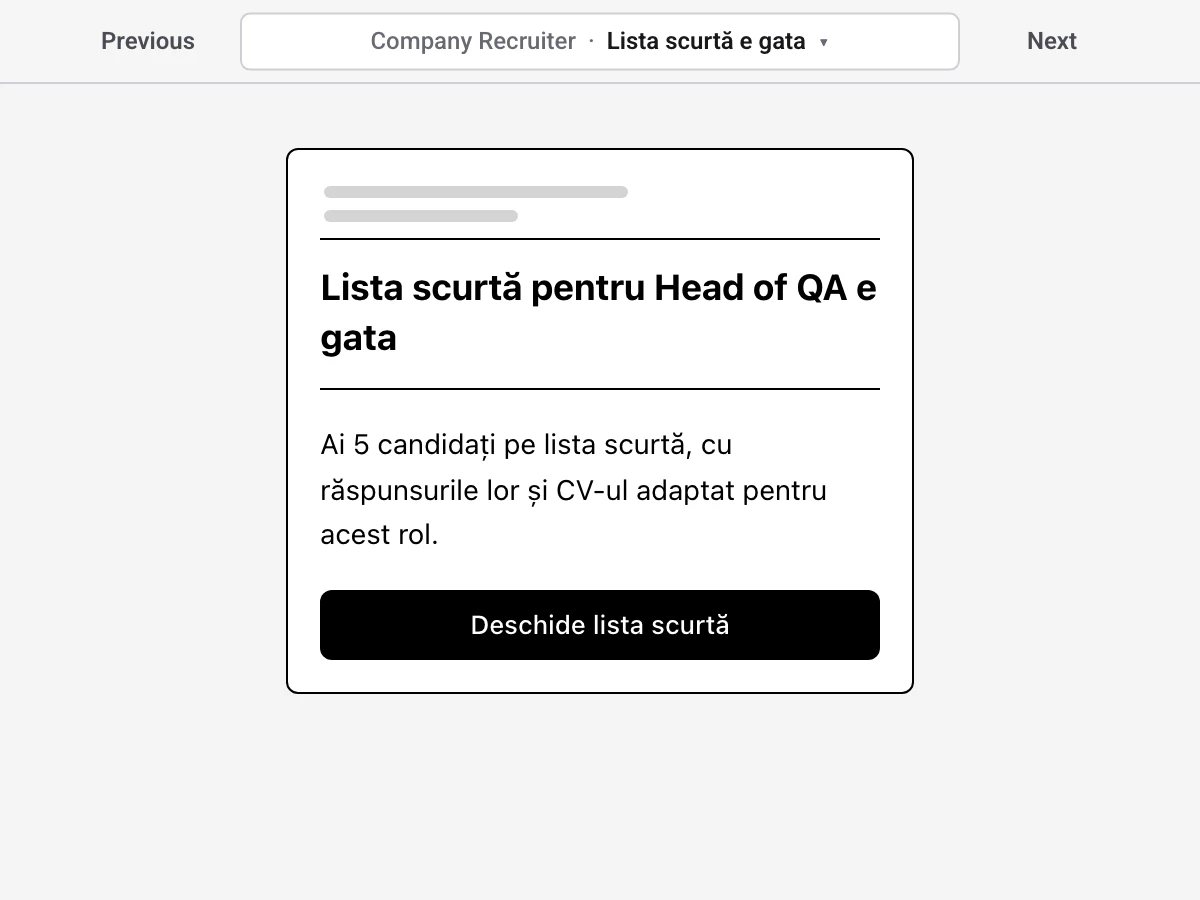
I link the wireframes into a clickable prototype. Every flow becomes walkable, automated emails arrive in a simulated inbox, and I log the underlying business rules.
In the meeting
Your client clicks through the app from the starting point of every user type. Any friction points or missing expectations go straight into the notes and get fixed.
Handover
The interactive click-through prototype and a complete log of business rules.
Week 5
Final Handover
Does your team have what they need to estimate v1?
Everything is packaged together with the Estimation Brief. This brief highlights technical risks, safe assumptions, and any remaining questions your team needs answered before pricing.
Handover
The complete Requirements Document, the screen map, the wireframes, the prototype, the decision log, and the Estimation Brief.
How the approval works:
Each phase goes through the exact same loop. You get the handover deliverables as soon as your client signs off.
- Before the meetingYour client gets a one-page brief of changes, framing decisions as “We propose X, because Y.”
- In the meetingWe review the work together. Your client addresses the decisions and approves the phase.
- After the meetingI log every decision, apply the changes, and update the requirements for the next round.
If a phase needs more work, I make the updates and we loop right back.
€3,000 flat fee per scope.
A fixed cost you can package and sell to your client as a paid discovery phase, at your own markup.
Included:
- The initial kickoff call and all four delivery phases, guiding the project straight through to the final handover.
- Every client review meeting, including any extra revision rounds necessary to secure their full approval.
- All six deliverables, yours to keep and share with the client.
- One cohesive system sharing a core data model, even across multiple user roles.
Not included:
- Final UI, visual design, and the build estimate.
- Scoping of distinct secondary systems that require their own completely separate discovery and scoping process.
- Scoping of complex internal tooling that does not rely on the primary data model.
Guarantee
If your team cannot build a rock-solid estimate from the final handover package, I will keep working with them at no extra cost until they can.
Start with an initial call:
Book a time in my calendar (opens in a new tab), or email me at stefan@stefanszakal.com.